As global environmental initiatives gain momentum, more companies are choosing recycled plastics to reduce their carbon footprint and achieve sustainability goals. However, many businesses face confusion when using recycled plastics: why is GRS-certified recycled plastic sometimes more expensive than virgin materials? This stems from a phenomenon of "over-quality," where the quality of many recycled plastics exceeds actual application requirements, leading to higher costs.
#### **Precise Matching of Quality and Requirements**
Our company understands the delicate balance between cost control and environmental responsibility. Therefore, we are committed to providing **precisely matched recycled plastics** tailored to your needs. By analyzing specific application scenarios and performance requirements, we recommend the most suitable recycled materials, avoiding unnecessary cost increases due to over-specification. This not only helps clients **effectively reduce production costs** but also continues to support environmental sustainability.
#### **Why Choose Us?**
1. **Professional Material Analysis**: We deeply understand various application scenarios, ensuring that the recycled plastic materials we recommend meet performance requirements without causing over-quality.
2. **Cost Reduction and Efficiency**: By optimizing material selection, we help clients reduce costs, saving valuable resources compared to using virgin materials or overly high-grade recycled plastics.
3. **Balancing Environment and Economics**: By using our recommended GRS-certified recycled plastics, clients can lower carbon emissions and reduce reliance on virgin plastics, achieving environmental goals without paying a premium for unnecessary material quality.
#### **Real-Life Application Example**
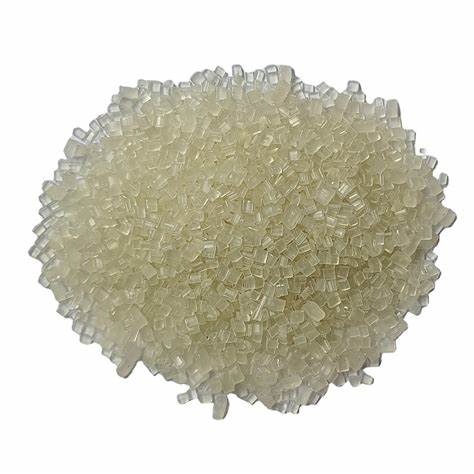
The cost of PCR-PP material is often determined by factors such as color and performance. Many clients' colored products do not require high-quality, clear PP recycled materials. By selecting slightly lower-grade, second-tier PP materials, we were able to meet all of the client’s product requirements while reducing procurement costs by approximately 30%.
This approach illustrates how precise material matching can lead to significant cost savings while still fulfilling all performance and environmental objectives.







 Official wechat